ALR Hearing Defense in Harris County.15 days from the notice of suspension to fight back.
After a DWI arrest in Texas, your driver’s license is at risk — and the clock is already running. KVM Law Firm files ALR requests immediately and prepares the hearing aggressively. Former Houston police officer. SFST certified. Gas chromatography trained.

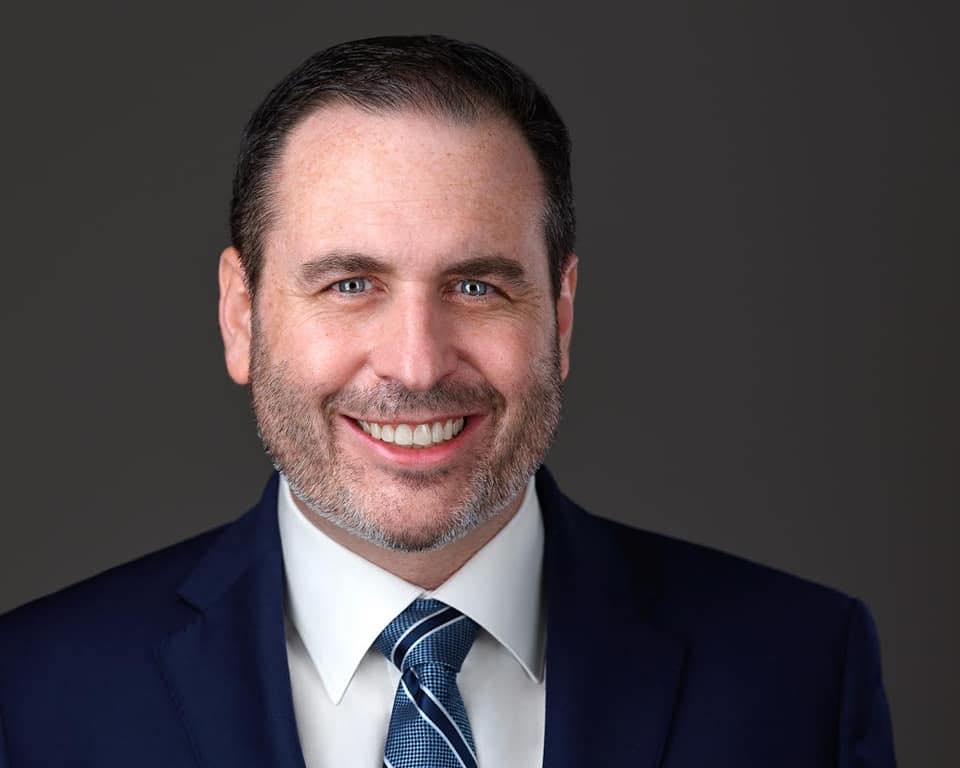
Kenneth V. Mitchell
Houston DWI Defense · KVM Law Firm, PLLC
Before becoming a DWI defense attorney, Kenneth spent 13 years as a Texas police officer — including service in the Hit and Run and Vehicular Crimes Division of the Houston Police Department. He has personally conducted traffic stops, administered Standardized Field Sobriety Tests, and built DWI cases from the law enforcement side. He uses that operational knowledge to challenge the State’s evidence from the inside out.
Texas gives you 15 days. That’s it.
Under Texas Transportation Code Chapters 524 and 724, you have only 15 days from the date you are served the Notice of Suspension (DIC-25) to request an Administrative License Revocation (ALR) hearing in refusal and breath-failure cases. In blood-draw cases, the clock does not start until the lab result returns at 0.08 or higher and DPS mails a notice — then a 20-day deadline applies. Miss the applicable deadline and your driver’s license is automatically suspended on the 40th day after the notice is served — regardless of what happens in your criminal case.
Most people arrested for DWI are never told about this separate process. They focus on the criminal charge and lose their driving privileges before they ever step foot in a courtroom. An ALR hearing is a civil proceeding completely separate from your criminal DWI case — even if your criminal charges are later dismissed, the license suspension proceeds independently unless you fight it.
What Kenneth reviews to challenge the suspension.
Effective ALR defense begins with a thorough review of every stage of your arrest. Kenneth’s 13 years as a Houston police officer means he knows exactly where these cases break down.
Reasonable Suspicion for the Stop
Did the officer have a legitimate basis to initiate the traffic stop? Vague hunches, profile-based stops, and anonymous tips without corroboration can be challenged at the hearing.
DIC-24 Statutory Warning
Was the statutory DIC-24 warning properly read and documented before the breath or blood test request? Improper warning is grounds to challenge the suspension.
Breath & Blood Testing Procedures
Did the officer follow required protocols for the 15-minute observation period, instrument calibration, operator certification, and chain of custody on blood samples?
Officer Report Inconsistencies
Boilerplate template language versus genuine observations. Kenneth has written these reports himself — he recognizes when the language is generic and when it’s describing what actually happened.
Timeline Gaps & Procedural Errors
Documented timeline of the stop, arrest, and testing. Gaps, contradictions, and procedural deviations weaken the State’s case at the ALR hearing.
Strategic Discovery
The ALR hearing is also a powerful early discovery tool. Cross-examining the arresting officer under oath at the hearing locks in testimony months before the criminal trial.
What automatic suspension looks like.
The suspension is automatic, separate from criminal penalties, and the length depends on your record and whether you refused testing.
Suspension Begins
If you do not request an ALR hearing within the applicable deadline, your Texas driver’s license is automatically suspended on the 40th day after the Notice of Suspension is served.
Up to 180 Days
For a first-time DWI refusal, suspension can last up to 180 days. License is suspended for refusing the breath or blood test, regardless of criminal case outcome.
Up to 2 Years
For drivers with prior alcohol-related offenses, the ALR suspension can last up to 2 years — long enough to lose a job, lose custody arrangements, or both.
Losing your license affects your ability to drive to work, take your children to school, and handle basic daily obligations. Do not let a missed deadline cost you your independence.
Hands-on gas chromatography training.
Most DWI blood-draw cases in Texas are analyzed using Headspace Gas Chromatography (HS-GC) for alcohol or GC-MS for drugs. The number on the lab report is only as reliable as the process that produced it.
Kenneth has completed hands-on forensic training on the same instruments used by Texas crime labs. He understands how blood samples are collected, stored, and tested — and knows where contamination, mishandling, calibration failures, retention time variability, and chain-of-custody breaks can compromise results.
That technical understanding translates directly into ALR hearings: when the State’s evidence depends on a blood test, Kenneth can challenge the science behind it, not just the procedure.
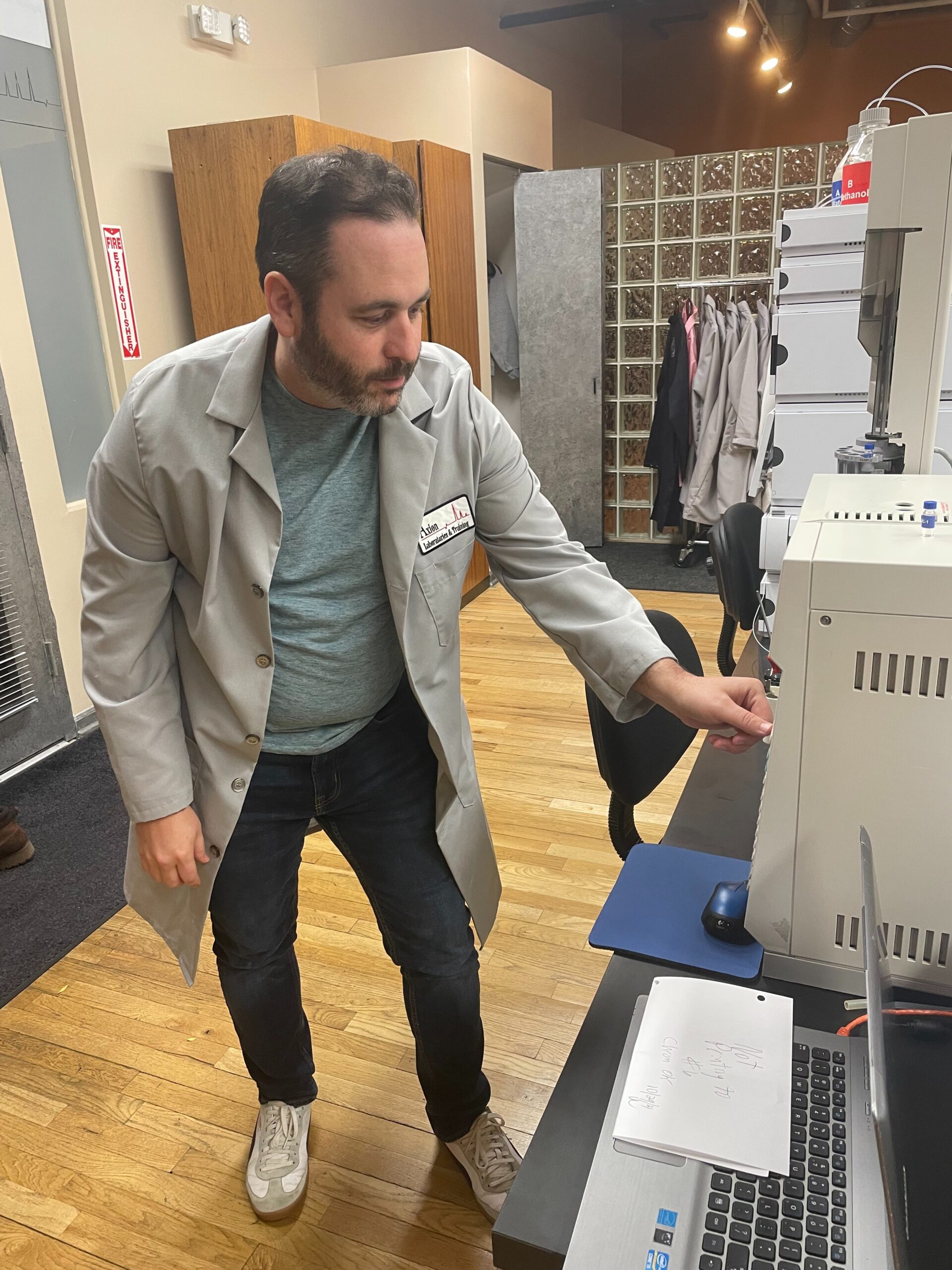
Kenneth completing hands-on GC/MS forensic training.
ALR hearing defense included. No hourly surprises.
ALR hearing defense is included in KVM Law Firm’s flat-fee DWI representation. You will know exactly what your defense costs from day one. One clear price covers your entire DWI matter, ALR hearing through final resolution.
Payment plans are available so that cost is never a barrier to protecting your license. The ALR deadline runs whether or not you have retained counsel — do not let financing concerns cost you your driving privileges.
Get a free ALR case review.
Confidential. No obligation. Kenneth reviews every inquiry personally. The 15-day ALR deadline is already running — act now.
Request a confidential callback
What “trial-ready” produces in practice.
The defense strategies on this page are not abstract. They are the strategies that produce real outcomes in Harris County DWI cases — outcomes that begin with early evidence work, careful procedural review, and preparation that does not assume an automatic plea.
Harris County County Criminal Court at Law — DWI client discharged at first appearance on a no probable cause finding. Released without bond conditions, without ignition interlock, without a plea on the record.
Targeted suppression motions challenging the lawfulness of the stop, the administration of SFSTs, and the foundation for breath or blood test results — the procedural attacks that can end DWI cases before trial.
Negotiated reductions from DWI to a lesser charge under Tex. Penal Code § 42.03 — protecting the client from the lifetime collateral consequences of a DWI conviction in Texas.
ALR hearings won by attacking the procedural foundation for the suspension — reasonable suspicion for the stop, probable cause for the arrest, and the proper administration of the breath or blood test request.
Past results do not guarantee similar outcomes. Every DWI case turns on its own specific facts, evidence, and procedural history. Outcomes depend on factors that vary by case and cannot be predicted in advance.