Not every DWI attorney will take your case to trial.This one will.
Most Harris County DWI cases end in plea deals. Many attorneys never intend to do anything else. Kenneth V. Mitchell prepares every DWI case as though it may go to trial — and that preparation creates leverage whether your case is resolved in negotiation or argued before a jury.
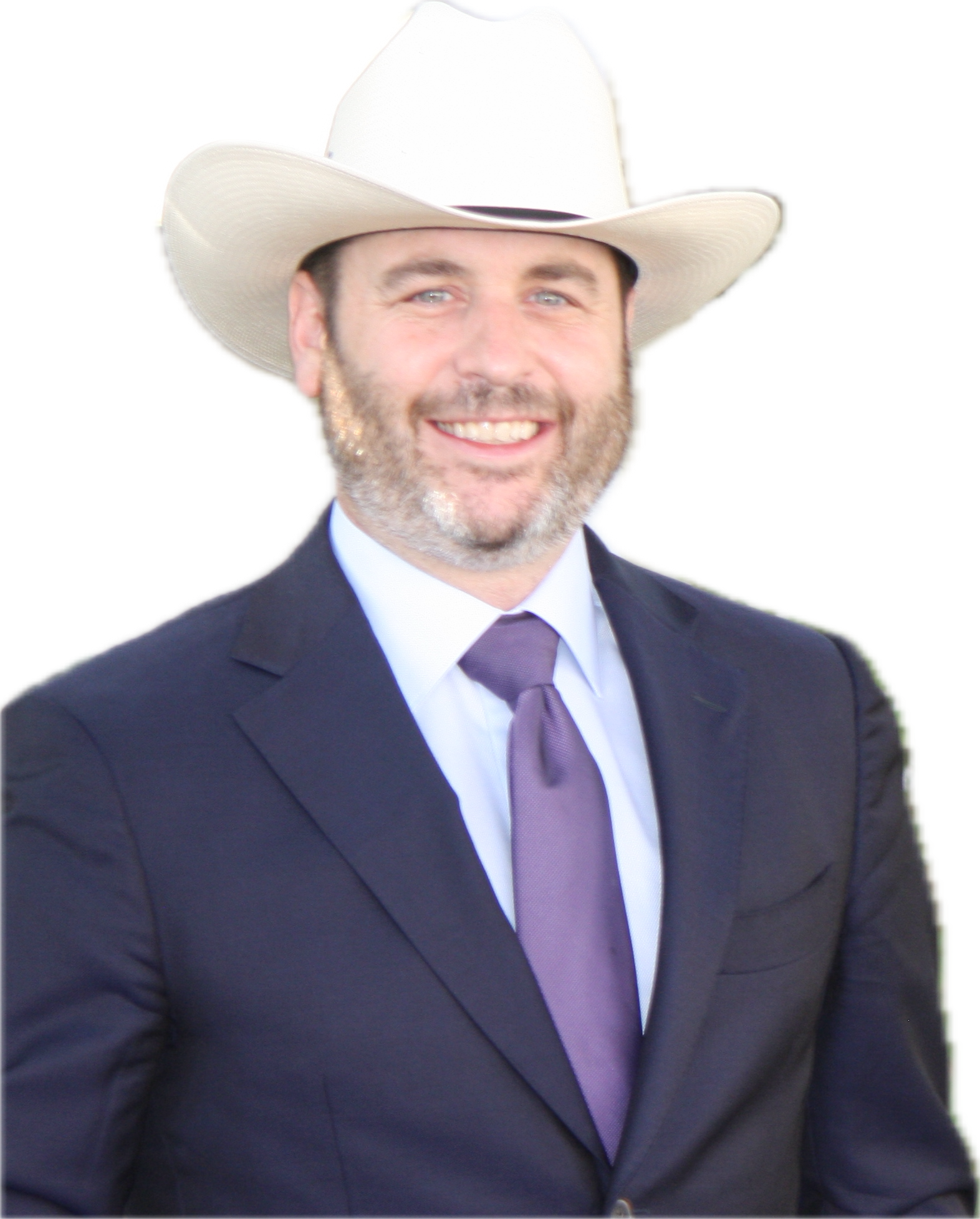
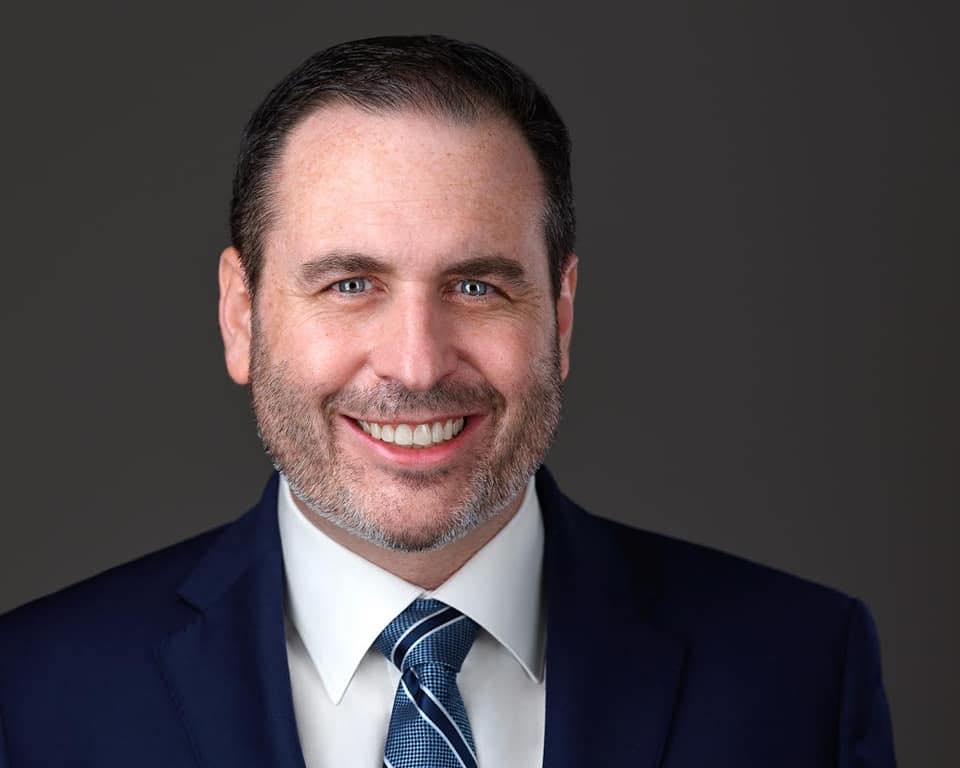
Kenneth V. Mitchell
Houston DWI Defense · KVM Law Firm, PLLC
Before becoming a DWI defense attorney, Kenneth spent 13 years as a Texas police officer — including service in the Hit and Run and Vehicular Crimes Division of the Houston Police Department. He has personally conducted traffic stops, administered Standardized Field Sobriety Tests, and built DWI cases from the law enforcement side. He uses that operational knowledge to challenge the State’s evidence from the inside out.
Every case prepared as though it may go to trial.
Most DWI cases in Harris County end in plea deals. Many attorneys never intend to do anything else. They take high volumes of cases, negotiate quick pleas, and move on to the next client.
Attorney Kenneth V. Mitchell takes a fundamentally different approach. Every DWI case at KVM Law Firm is prepared with the assumption that it may need to go to trial. That does not mean every case goes to trial — it means that when Kenneth negotiates with the prosecution, he negotiates from a position of strength: genuine preparation, identified defense opportunities, and a demonstrated willingness to litigate.
13 years as a Houston police officer. Now a DWI trial attorney.
Before becoming a defense attorney, Kenneth Mitchell spent 13 years in law enforcement.
HPD Hit and Run & Vehicular Crimes Division
Kenneth worked in the Hit and Run and Vehicular Crimes Division of the Houston Police Department. He conducted DWI investigations, administered standardized field sobriety tests, and holds a Master Peace Officer License from the Texas Commission on Law Enforcement (TCOLE).
That means he has personally done the work that officers testify about at trial. He knows when an officer’s testimony does not match proper procedure. He knows where field sobriety tests are commonly administered incorrectly. He knows what the dashcam and bodycam footage should show — and what it often does not.
When Kenneth cross-examines an officer at trial, he is not reading from a script of generic NHTSA questions. He is asking questions from the perspective of someone who has sat in that exact chair, answered those same questions under oath, and knows exactly where the weak points are. Prosecutors can tell the difference between an attorney bluffing about trial readiness and one who is genuinely prepared to go.
Hands-on gas chromatography training at Axion Laboratories.
Kenneth has also completed hands-on training in gas chromatography — the primary method used to test blood samples in Texas DWI cases. He trained at Axion Laboratories, the same kind of instruments Texas crime labs use to analyze DWI blood evidence.
He can challenge the science behind blood test results: sample collection, storage, chain of custody, instrument calibration, retention time variability, peak integration, and operator certification. The number on the lab report is only as reliable as the process that produced it — and the process is rarely as clean as the prosecution would like the jury to believe.
That technical understanding gives Kenneth credibility on cross-examination of the State’s forensic toxicologist, and it surfaces defense opportunities that most attorneys never identify because they lack the lab background to spot them.
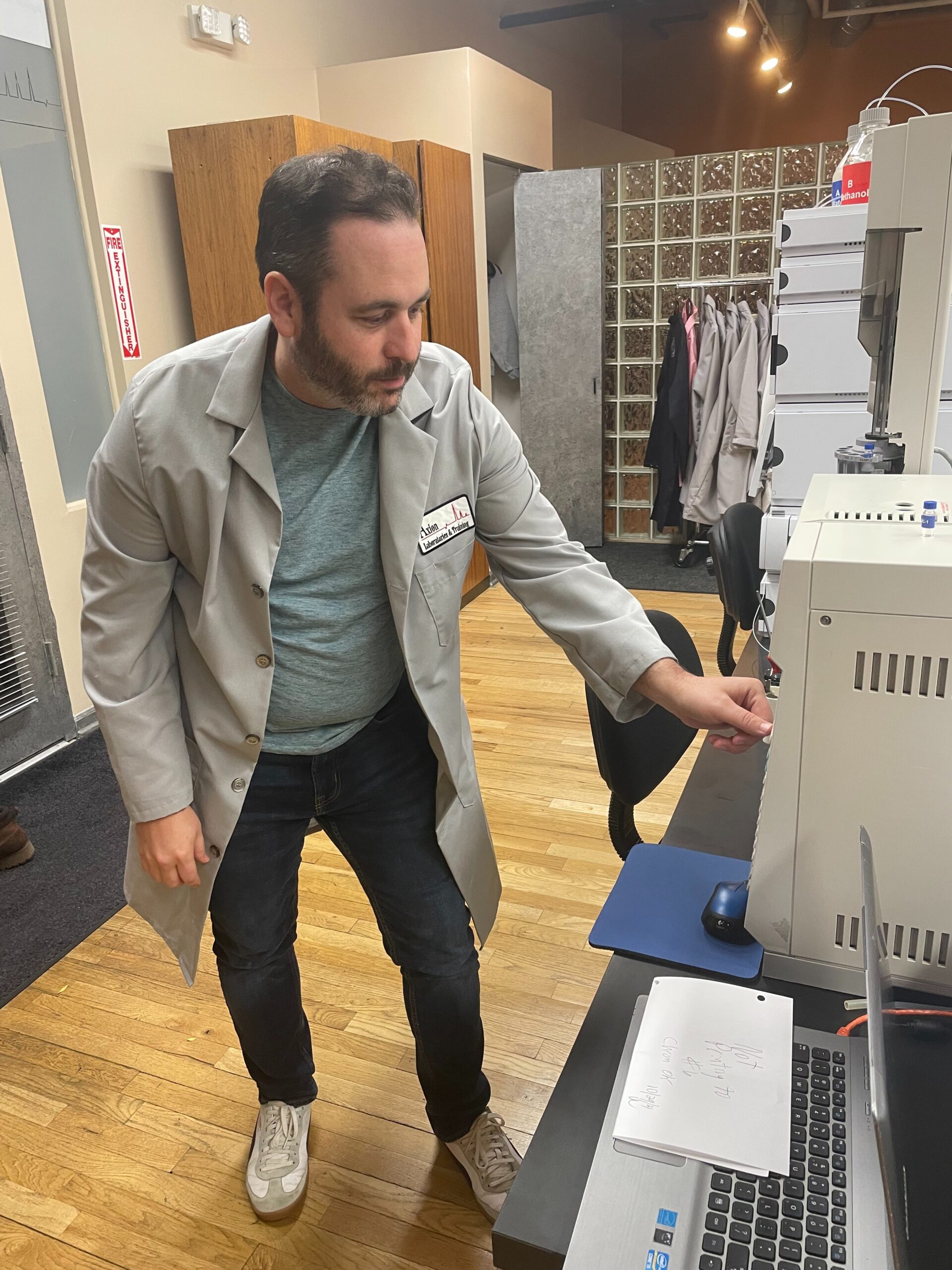
Kenneth completing hands-on GC training at Axion Laboratories.
The State must prove every element beyond a reasonable doubt.
When a DWI case goes to trial, Kenneth focuses on exposing the specific weaknesses in the State’s evidence.
Legal Justification for the Stop
Did the officer have reasonable suspicion of a traffic violation or criminal activity to legally initiate the stop? If the initial stop was unlawful, all evidence obtained after it can be suppressed under the exclusionary rule.
Field Sobriety Test Administration
Were the NHTSA-standardized field sobriety tests properly administered and accurately interpreted? Tests administered on uneven pavement, in poor lighting, with strobe lights present, or without accounting for medical conditions are open to challenge.
Breath & Blood Testing Protocols
Did the breath or blood testing follow required scientific protocols? Intoxilyzer calibration, 15-minute observation period, operator certification, blood sample chain of custody, gas chromatograph calibration — every step is subject to challenge.
Officer Testimony vs. Video Evidence
Is the officer’s testimony consistent with what the dashcam and bodycam footage actually show? Inconsistencies between sworn testimony and recorded video can devastate the State’s case in front of a jury.
Constitutional Violations
Miranda warnings, right to counsel, voluntariness of statements, consent to chemical testing under Missouri v. McNeely — constitutional violations at any stage can result in evidence being excluded at trial.
Reasonable Doubt
The State must prove every element of DWI beyond a reasonable doubt. Genuine weaknesses in the evidence — exposed properly in front of a jury — create genuine reasonable doubt. That is what trial work is for.
“A plea deal is not always in your best interest. When the evidence has problems, those problems deserve to be exposed in court.”
Not a case number. Direct attorney involvement.
At KVM Law Firm, you work directly with Kenneth Mitchell. You are not passed off to a junior associate or paralegal. Kenneth personally reviews the evidence, develops the defense strategy, and appears in court.
Whether your case involves a first-time DWI, a felony DWI, or a DWI with additional charges, you receive the same level of focused, prepared representation. DWI cases at KVM Law Firm are handled on a flat-fee basis with payment plans available. One clear price, discussed upfront, that covers your representation through the life of the case — including ALR hearings.
Get a free DWI case review.
Confidential. No obligation. Kenneth reviews every DWI inquiry personally. The 15-day ALR deadline is already running — if your case deserves to be fought, do not wait to talk to a trial attorney.
Speak with a DWI trial attorney
What “trial-ready” produces in practice.
The defense strategies on this page are not abstract. They are the strategies that produce real outcomes in Harris County DWI cases — outcomes that begin with early evidence work, careful procedural review, and preparation that does not assume an automatic plea.
Harris County County Criminal Court at Law — DWI client discharged at first appearance on a no probable cause finding. Released without bond conditions, without ignition interlock, without a plea on the record.
Targeted suppression motions challenging the lawfulness of the stop, the administration of SFSTs, and the foundation for breath or blood test results — the procedural attacks that can end DWI cases before trial.
Negotiated reductions from DWI to a lesser charge under Tex. Penal Code § 42.03 — protecting the client from the lifetime collateral consequences of a DWI conviction in Texas.
ALR hearings won by attacking the procedural foundation for the suspension — reasonable suspicion for the stop, probable cause for the arrest, and the proper administration of the breath or blood test request.
Past results do not guarantee similar outcomes. Every DWI case turns on its own specific facts, evidence, and procedural history. Outcomes depend on factors that vary by case and cannot be predicted in advance.